
A Potassium Primer

You Should Major in the Micros
The inspiration for this article came from a conversation I had with a friend of mine who has also coached and competed in the sport of weightlifting.
One of the biggest struggles that any weightlifter has to go through is training while undergoing a caloric deficit.
If you’re following a calorie deficit properly, you will feel depleted and there is no way around that no matter how many compounds you might throw at it.
However, I don’t think your performance should suffer THAT significantly, and when asked about diet, the answer had me shaking my head.
This person was NOT tracking micronutrients! One of the most important pillars to any nutrition program regardless of goals.
This is not an attack on the person, but on this flawed narrative that is being held about nutrition and performance. My goal for the reader is to understand one major puzzle piece in this whole game of body recomposition and performance and to illustrate how achieving your goals isn’t solely a reductionist function of calories in vs. calories out.
In particular, this will cover potassium.
I’d say the nutrition paradigm changed from low-carb dieting strategies to the If It Fits Your Macros (IIFYM) about 10ish years ago, for good and bad. The premise was that if you met your macros (regardless of foods used) while respecting calorie intake, you’d be able to lose fat and/or build muscle. Can work, but far from what’s best for your physique, performance, and health. I don’t need to write an essay on why it’s a terrible idea to be eating nothing but protein shakes and fast food vs. hitting the same macros from minimally processed foods.
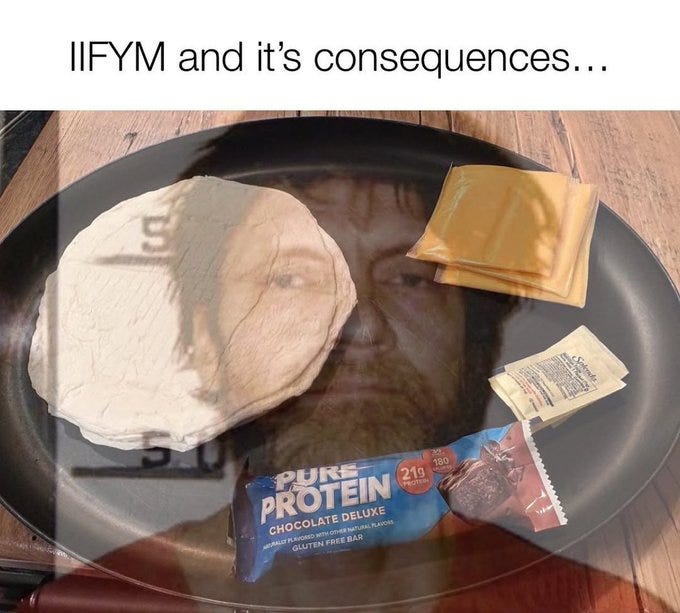
Because of this IIFYM culture, meals have become far too focused on numerical macros, and not the micronutrients.
It’s easy to design a meal based solely on protein, fat and carbohydrates.
But designing them around micronutrients is an entirely different ball game that requires attention-to-detail that is otherwise being spent on the “shiny objects” out there like supplements.
This is where performance and goal outcomes really take shape.
You want to be setting your daily meals up with not just the macros leading the way but also fiber, sodium, potassium, magnesium, B-vitamins, etc. as they play massive roles in the food choices and meal design, especially during fat loss phases when you have a smaller calorie budget to work with.
It’s with these resources that the human body can carry out its functions, yet they continue to be neglected.
What are electrolytes?
Essential minerals like sodium, calcium, and potassium become electrolytes when dissolved in water, meaning they can conduct an electric current in the water.
A bit of chemistry: electrolytes, which include acids, bases, and salts, usually dissociate into their individual ions when dissolved in water, carrying either a positive charge (cation) or a negative charge (anion). Table salt (sodium chloride) for example dissolves in water and splits into individual sodium (cation) and chloride (anion) ions, and are therefore electrolytes. Each of the electrolytes are vital to many key functions in the body
The major electrolytes in the body fluids are sodium, potassium, chloride, bicarbonate, phosphate, sulphate, magnesium, and calcium.
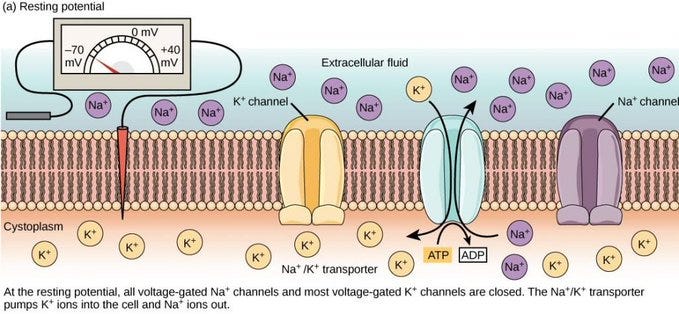
Of these, sodium, potassium, and chloride are found in the highest concentrations, although their distribution differs between the intracellular (within cells) and extracellular fluids (outside of cells, for example in blood). Sodium and chloride are found in higher concentrations in the extracellular fluid, whereas potassium is found in higher concentrations inside cells.
In the context of exercise performance, the main electrolytes of interest are sodium, potassium, and chloride because these are found in the highest concentrations in the body and also in sweat.
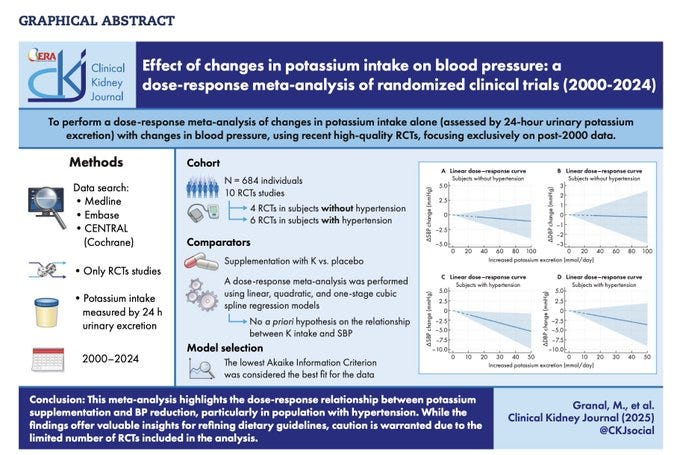
Roughly 97% of people do not hit 4700 mg of potassium, which was the old RDA.
The Role of Potassium
Perhaps one of the biggest needle-movers for your health and performance is to increase your potassium intake with whole foods before reaching for supplements.
Potassium is an essential dietary mineral found in the vast majority, if not all, of plant-based products in our diets. It doesn’t have any one major source but with a varied diet it adds up pretty easily.
It’s commonly seen as the opposite of sodium with some truth to it since they do oppose and regulate each other at the cellular level. Potassium is the major cation (a positive ion) inside animal cells, while sodium is the major cation outside animal cells.
Cells are like little batteries, and batteries operate on a gradient. One side is positive, one side is negative.
The difference between the concentrations of these charged particles causes a difference in electric potential between the inside and outside of cells, known as the membrane potential. The balance between potassium and sodium is maintained by ion transporters in the cell membrane.
This “current” powers everything in your body.
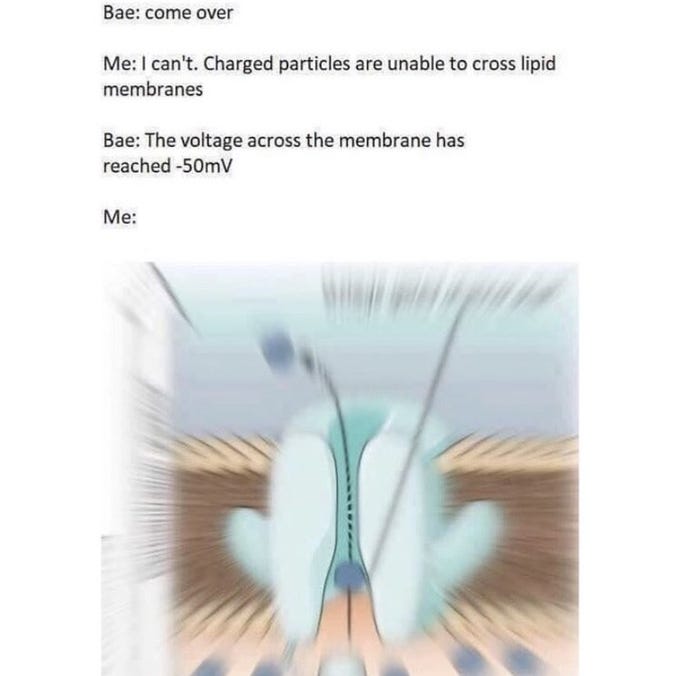
As with anything, too much of one in the system can cause serious harm, in this situation, bringing in more of the other helps balance things out. However, sodium is far too easy to consume in our daily diets while potassium is easier to neglect considering how much the average person relies on processed food.
More on this towards the end, but foods like dates, bananas, and potatoes are great sources of potassium and it is recommended that you rely mostly on foods to meet your intake goals, not supplements.
Total-body potassium content and appropriate distribution of potassium across the cell membrane is crucial for normal cellular function.
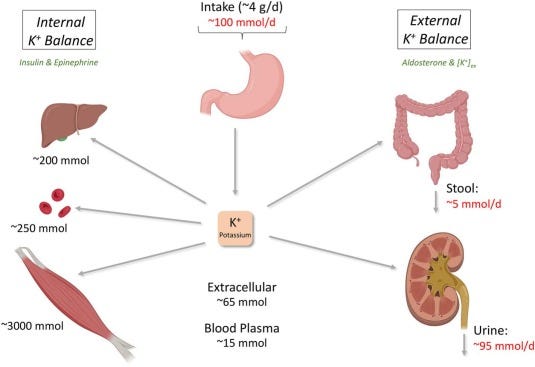
Potassium channels are the most widely distributed type of ion channel found in virtually all organisms and control a wide variety of cell functions such as cell membrane potential, action potential formation, and cellular excitability.
Diabetes is a chronic metabolic disorder characterized by elevated blood glucose levels and can cause abnormal changes in the sensitivity and functioning of potassium channels over time. This can lead to an increase in intracellular potassium and calcium, disrupting normal cellular function and metabolism and resulting in a range of physiological and metabolic issues.
Dysfunctional potassium channels can also affect the function of vascular endothelial and smooth muscle cells, leading to impaired vasomotor function, abnormal cell growth, and increased inflammation. These abnormalities can result in an increase in the risk of cardiovascular disease in diabetics.
Some of the other important roles of potassium include:
Blood pressure management.
Blood glucose stability.
Muscle contractions.
Cortisol regulation.
Insulin sensitivity.
Leptin sensitivity.
Glycogen storage.
Hydration status.
Gut permeability.
Potassium’s Significance for Muscular Strength
Keeping strength during prolonged caloric restriction isn’t about having a hardcore mentality and having a good program, it’s about whether the system that produces the force is still being maintained.
Most cuts will fail because people chase fat loss while rapidly depleting physiological resources that enable muscle contractions. When that chain is disrupted, strength falls even if the muscle tissue is being preserved.
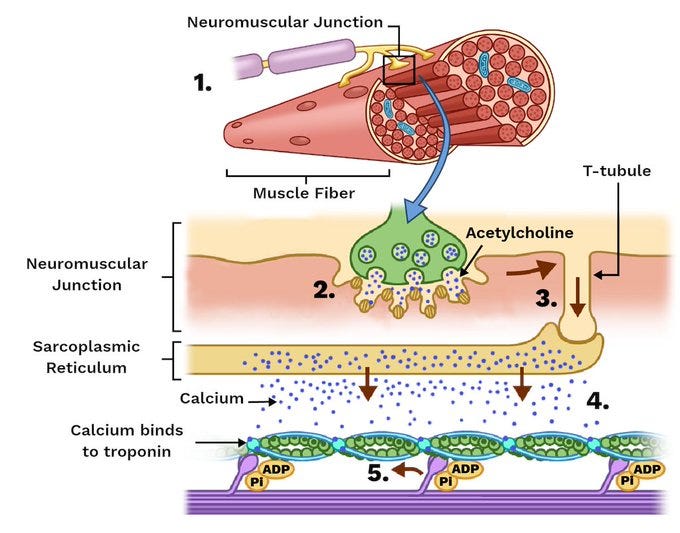
Muscle contraction is not purely a function of size and caloric intake. It is fundamentally electrochemical first. Every rep depends on mineral intake and bioavailability.
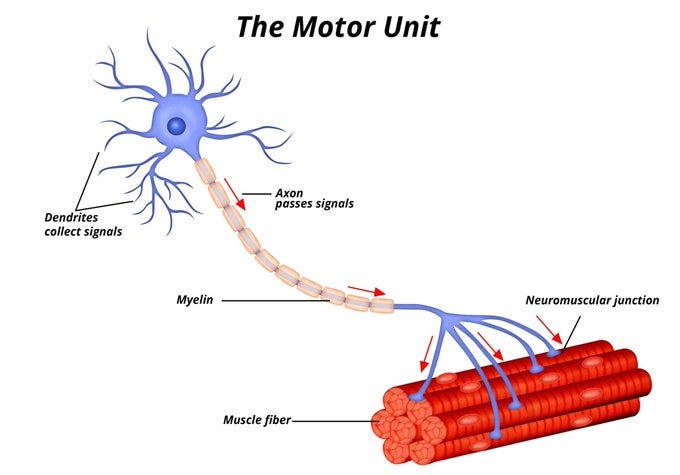
Muscle cells maintain a resting membrane potential thanks to ionic gradients (Nat/K*-ATPase) and regulated membrane permeabilities through different ion channels.
Sodium and potassium regulate the potential across the muscle fiber.
Calcium governs force production, while magnesium stabilizes actual energy production.
Most lifters will have a sporadic electrolyte and micronutrient intake across training and rest days, then when performance drops the default instinct is that a deload is needed.
You cannot out-program missing ingredients in the recipe.
You don’t fix poor training sessions by avoiding stress.
You fix poor training sessions by addressing resources.
That capacity begins with the electrolytes that make contraction possible.
Potassium’s Significance for Fat Loss
Now that you understand the role of electrolytes in the context of training, you can see why it is so important to emphasize this when on a cut.
As we get shredded, our glycogen stores (the stored form of carbohydrate in the body) get depleted and it’s important to understand the significance of this too.
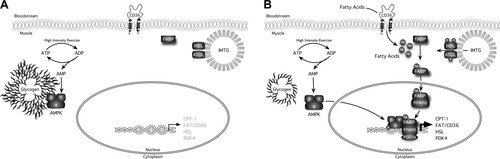
Glycogen isn’t just fuel, it plays a regulatory role in calcium handling and excitation contraction coupling. Adequate glycogen improves the reliability of calcium release during repeated high force efforts.
When glycogen drops too low, calcium signaling becomes less efficient; however, remember that electrolytes determine whether calcium can do this job at all.
Sodium and potassium regulate nerve impulse transmission, while magnesium influences calcium channel behavior.
When electrolyte balance drifts, signal quality degrades.
This is where the emphasis on nutrient quality matters more than an aggressive deficit.
Those who preserve strength understand that keeping enough glycogen, maintaining electrolyte balance are the key to being physiologically prepared for a successful fat loss journey to ab veins without decimating your physiology and setting you up for a nasty rebound.
If calcium signaling stays intact, strength stays high.
If strength stays high, muscle is far more likely to be preserved.
Dietary Sources of Potassium
First, do NOT supplement with potassium alone.
This will cause a rapid increase in blood potassium levels and can very quickly lead to cardiac arrhythmia and risk a heart attack. The potassium we get from food is only found in plant matrixes and muscle tissue, both of which take time to break apart and absorb.
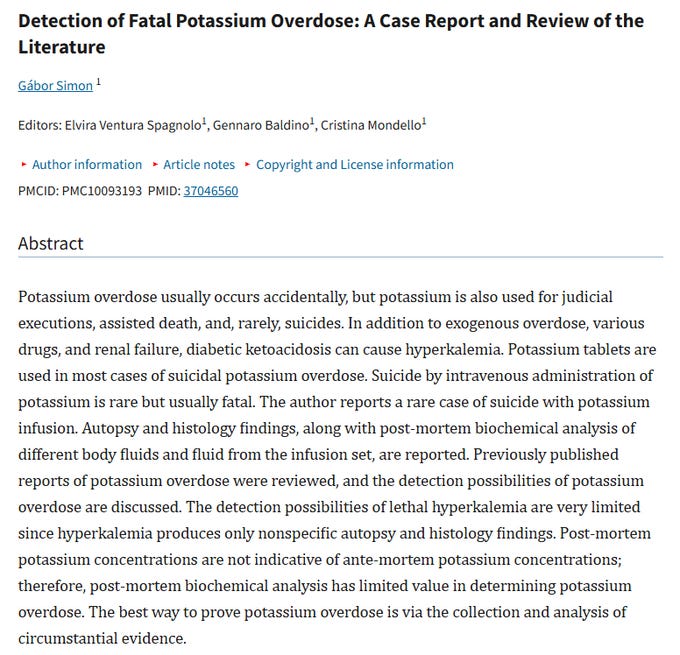
Getting your potassium from foods isn’t very difficult as much of it will come from fruits and vegetables. But when you’re gradually reducing calories over the course of a fat loss phase, you do need to prioritize more vegetable sources over fruits in the name of calories and satiety.
Some sources of potassium include:
Coconut water
Raisins
Spinach
Bananas
Sweet potatoes
White potatoes
Dried dates
Beans and legumes
Avocadoes
Here are some other sources you may have never thought of that deserve more recognition for their utility in meal design, starting with blackstrap molasses.
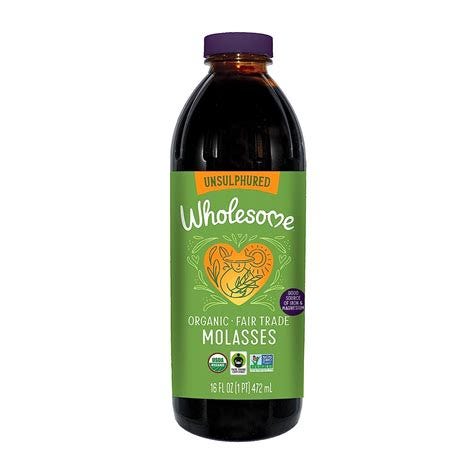
Blackstrap Molasses
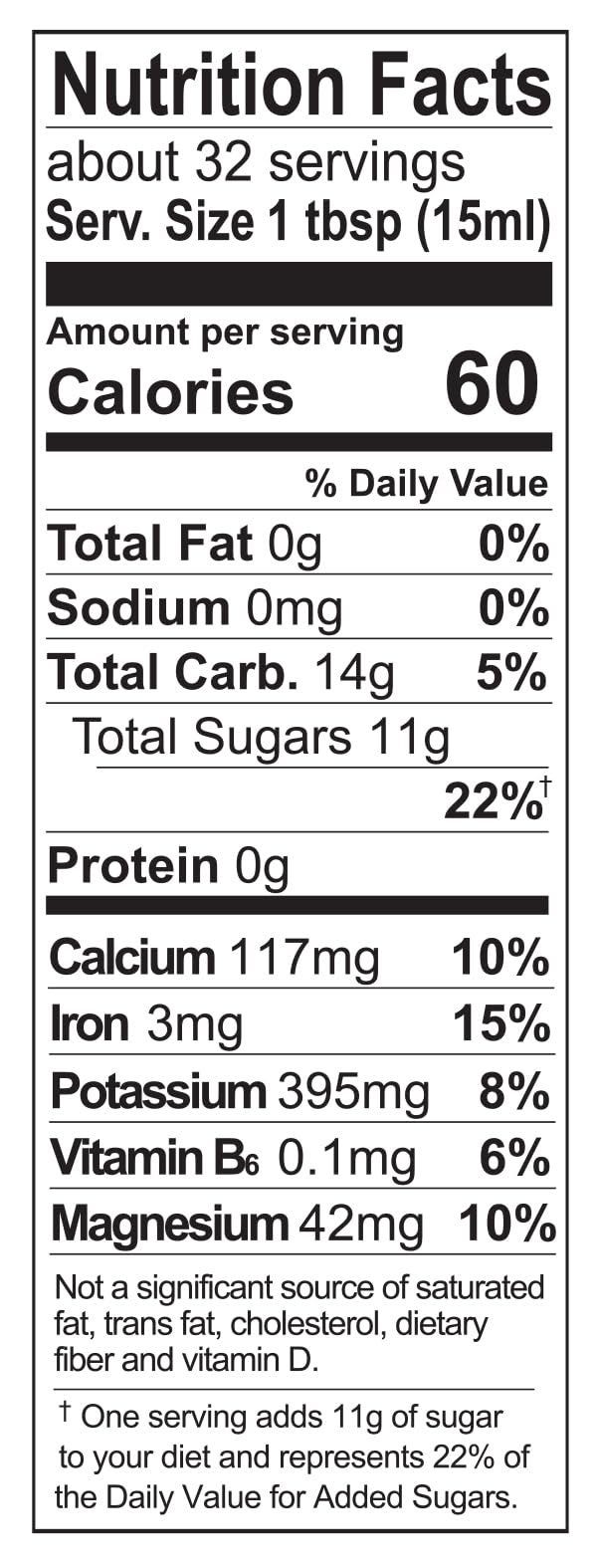
Per 100 g, molasses provides:
More potassium than most fruits
Meaningful magnesium → Plays a role in relaxation, parasympathetic tone, and metabolic health
Calcium → Excitation contraction coupling
Iron + copper synergy → Assists in oxygen delivery and work capacity
A relatively inexpensive investment for:
Better pumps in the gym without needing overpriced “pump” supplements as the carbs have electrolytes to facilitate transport into the muscle cells
Steadier strength across long sessions
Improved recovery and sleep quality
How you could use it:
Pre-workout : 1 tbsp with carb source
Intra-workout: 1 tbsp in water + added sodium
Post-workout: with carbs to drive potassium back into muscle
You might as well just straight shot it as it is not compatible with pre-workout flavors. It might not taste good but it’s not going to make you gag and the upside is vastly greater than what honey and maple syrup can deliver.
Tomato Paste
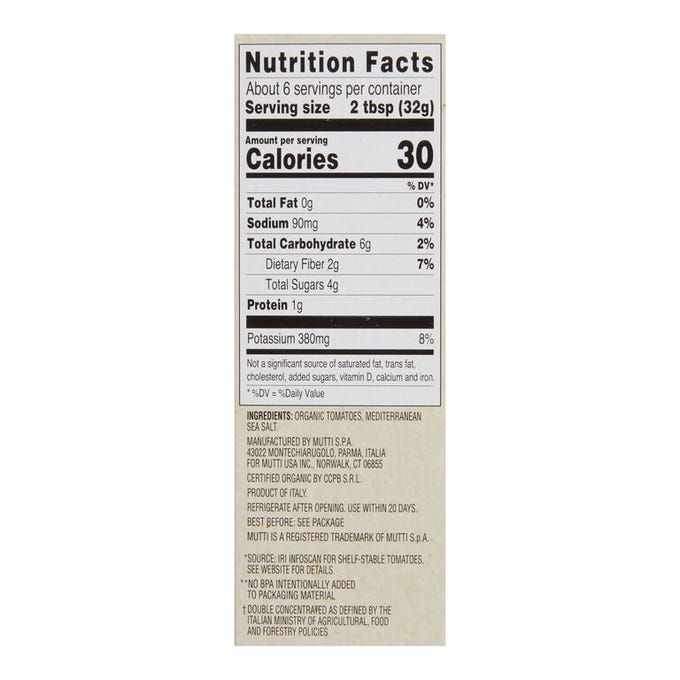
Cheap, shelf stable, and ridiculously versatile. Mix it into rice, pasta, beef mince, even water with salt and herbs for a quick “electrolyte shot.” You can drink it straight too.
It’s literally concentrated blood pressure support, vascular health, and an antioxidant powerhouse in one spoon.
One small serving gives you 200-500mg of bioavailable potassium with lycopene.
Lycopene is a powerful carotenoid and reduces oxidative stress, inflammation, and even helps maintain mitochondrial integrity, basically slowing the cellular wear and tear that comes from chronic training stress and PEDs.
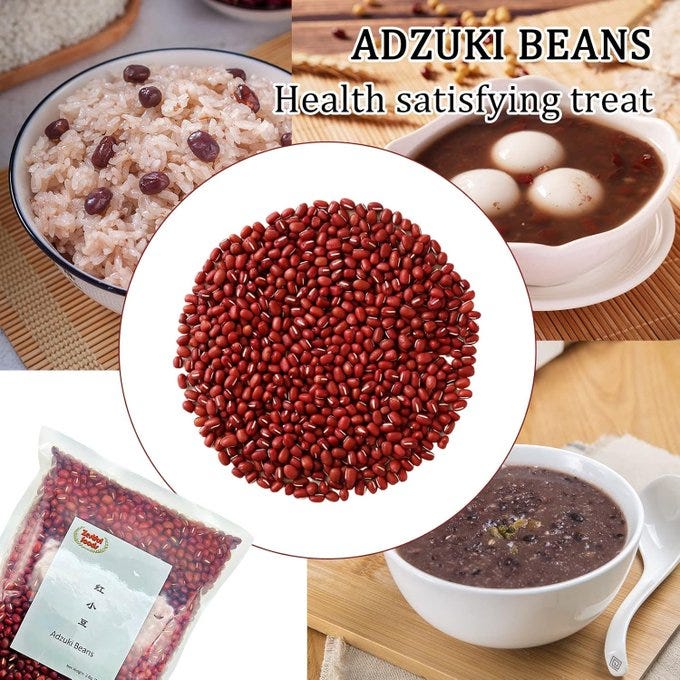
Adzuki Beans
East Asia’s antioxidant, gut health, and anti-inflammatory support tool. Definitely played a role in the Asian don’t raisin stereotype as there are so many pro-longevity benefits researchers are finding.
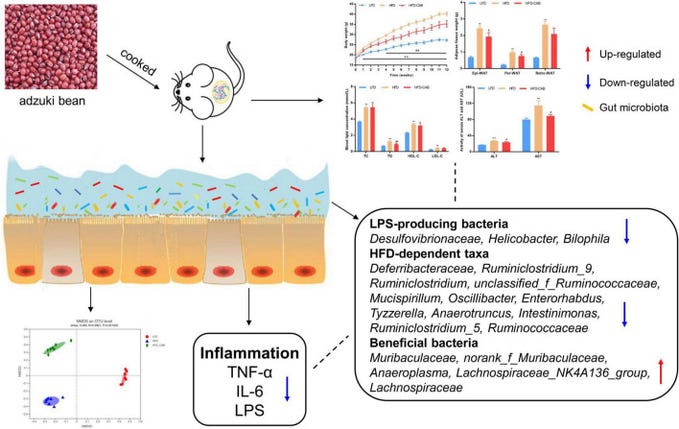
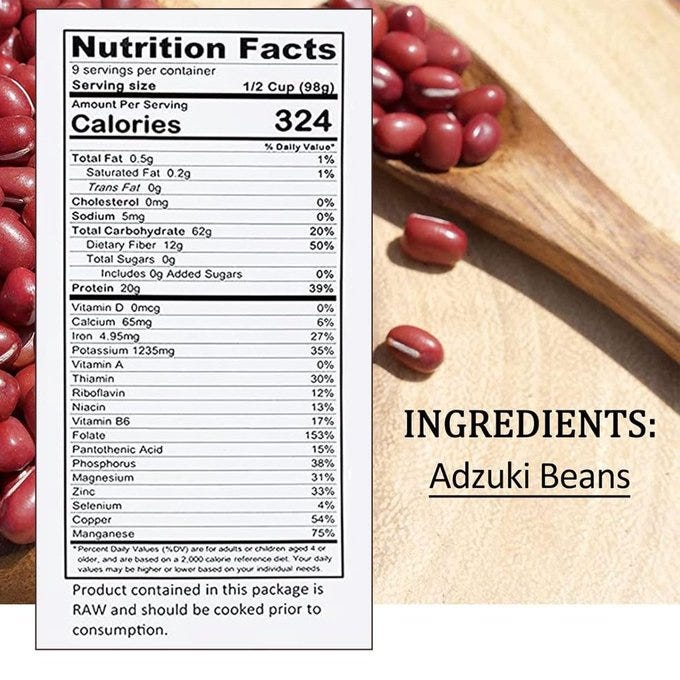
Ridiculously high potassium content per serving, satiating, and can taste great. Could be an excellent diet staple.
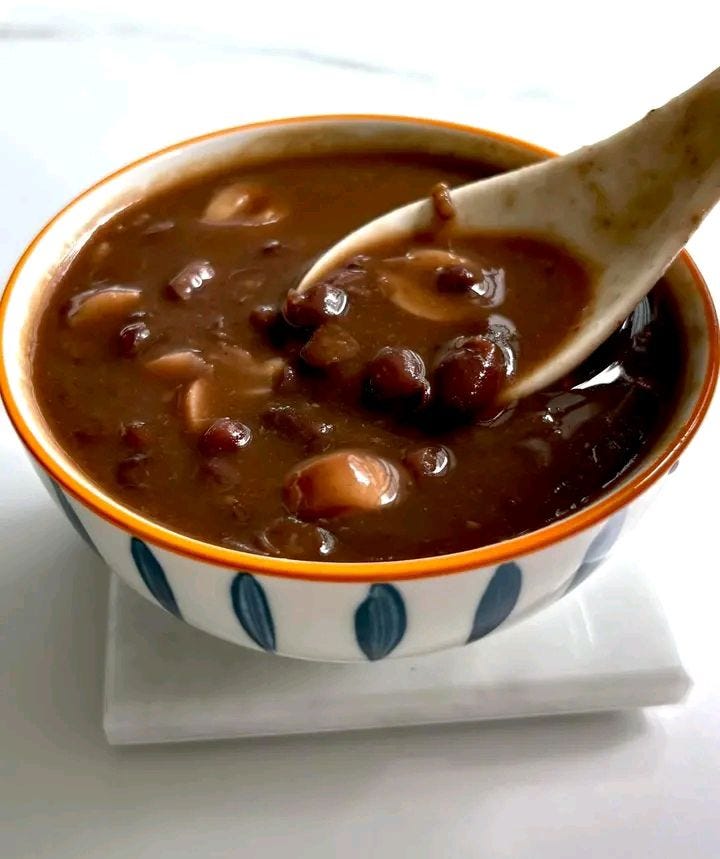
In Chinese cuisine, it’s commonly served as a dessert soup (红豆汤) at the end of a banquet meal and something like this could be modified for bodybuilding purposes. Here is what a typical recipe looks like.
Avoid the shiny object syndrome with supplements, peptides, and biohacks.
Potassium is one of those variables that determines whether your physiology can even be “biohacked” by these expensive compensations yet it gets overlooked.
If you were to think of the summation of your efforts like a digital painting made up of pixels, you know that it takes a ton of pixels to create all the details of a digital painting.
Every meal, workout, and night of sleep are the individual pixels that you are adding to the canvas.
If you are not maximizing the quality of each pixel and letting that drag on for weeks, your final product just won’t be as good as it can be.
You have to make everything count.
The true shortcuts in this whole process are doing the right things righter.
Get your potassium right, and experience the difference yourself.
Everyone’s intake will probably look vastly different depending on a lot of variables, but 60-80mg per kg of bodyweight would be a great place to start.
Until Next Time,
Wong
This is a good reminder. Drove me to check my MacroFactor..i average 2.5g/day. Argh.
a 1 lb ribeye has over a 1,000 mg
dried apricots and pistachios look good, too.
I need to get the damn potassium up, damnit Wong.
damnit.