
An Insulin Primer
Learn the basics behind one of the most important hormones that influences your physique.

What is Insulin?
Insulin is a hormone responsible for normal growth and development, nutrient storage, and lowering your blood sugar. You can think of insulin as a storage hormone as it promotes the shuttling of nutrients into target cells.
It is produced from the beta cells of your pancreas, specifically the Islet of Langerhans.
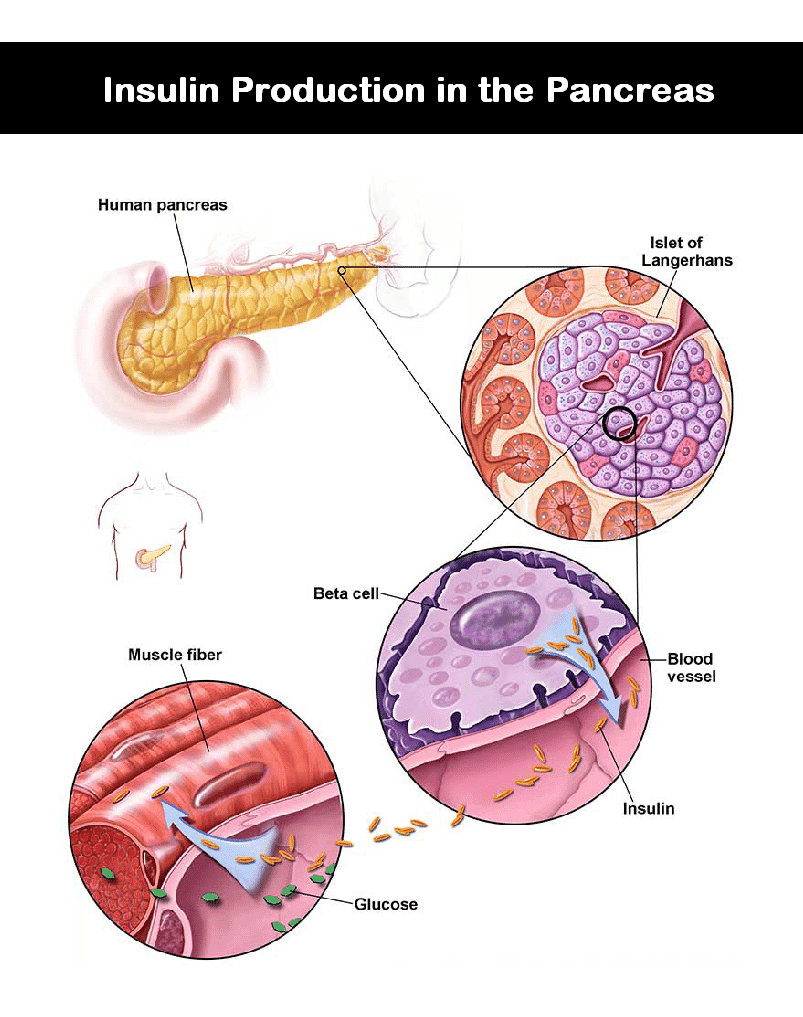
Insulin helps glucose exit your blood circulation and enter cells of the muscle, liver, and fat and thus insulin lowers your blood sugar levels.
In the liver, insulin favors carb use and glycogen storage (one of your body’s biggest fuel tanks).
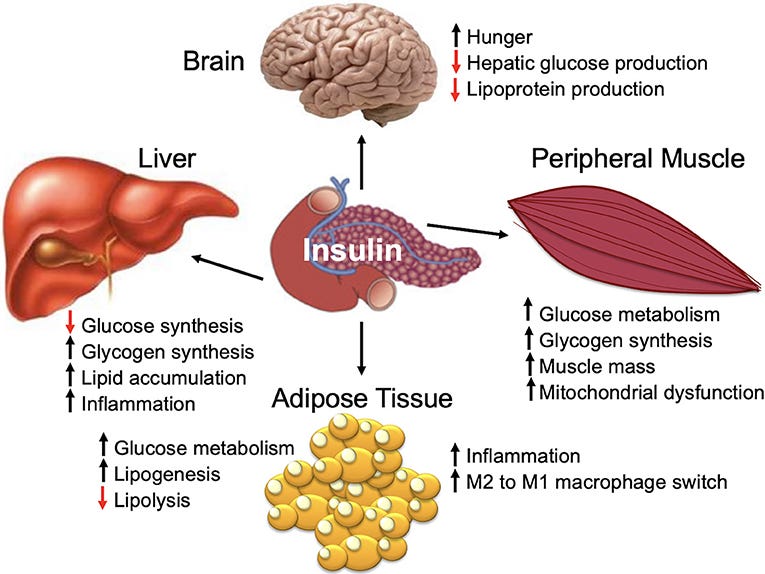
Recall that in this primer, metabolism encompasses everything we do that produces and uses energy coming from food; insulin serves as a metabolic regulator because of this.
How much insulin we release will be dependent on what we eat. Although insulin is known for lowering blood sugar, insulin is always being released in pulses every ~ 5 minutes or so. If we eat a meal filled with carbs and/or protein, we’ll release more insulin.
After a 24 hour fast, we’ll have a very low amount of insulin in our blood (about 3-8 pU/mL). After a 2-hour mixed meal (carbs, fats, and protein), we’ll have about 50-150 pU/mL of insulin in our blood. In healthy adults, insulin is always present in blood.
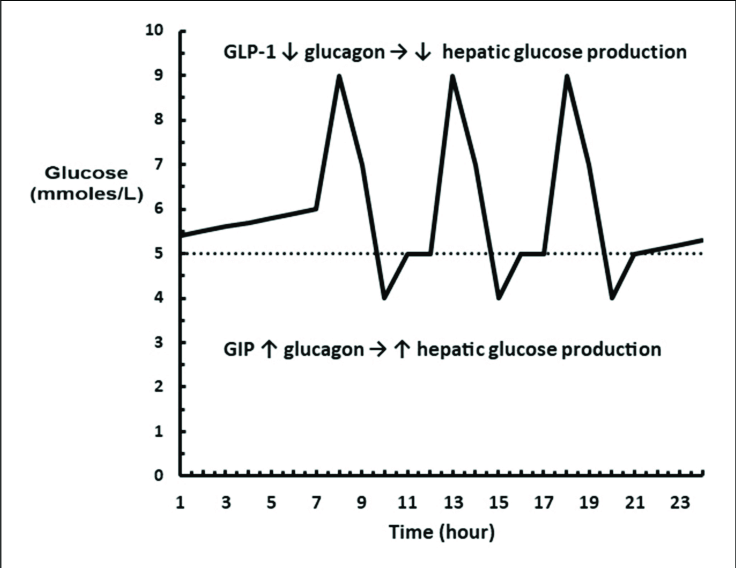
There are other gut hormones called “incretins” that amplify the release of insulin; the two primary incretins being glucose-dependent insulinotropic polypeptide (GIP) and glucagon-like peptide-1 (GLP-1).
GIP has a wide range of physiological actions, but in general it helps control your blood sugar and the amount of body fat you have.
GLP-1 is also a multifaceted hormone, some of its functions beyond blood sugar management are:
Slowing gastric emptying.
Improving learning, memory, and reward behavior.
GIP and GLP-1 amplify the release of insulin when whey protein is consumed making it possible for protein consumption in general to increase insulin release even more so than carbohydrate consumption.
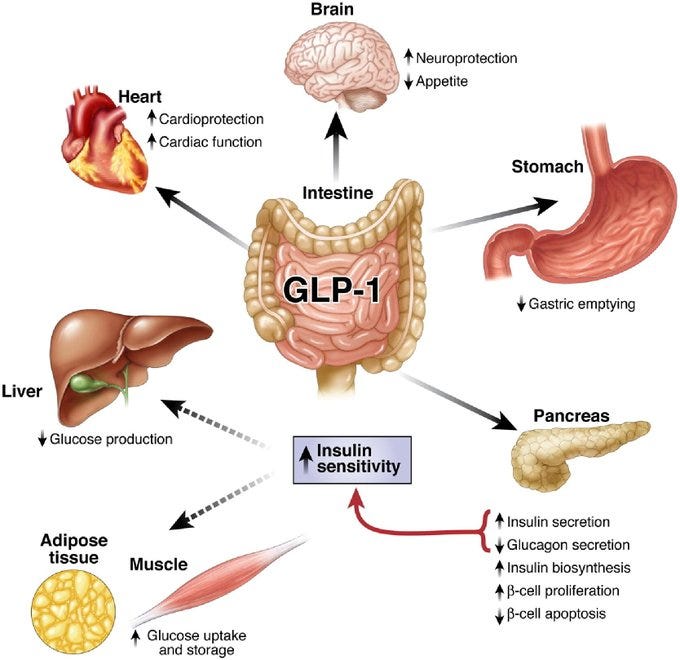
Other hormones kick in, primarily glucagon, to ensure we do not lower our blood sugar too much when consuming protein only or protein without a lot of carbs.
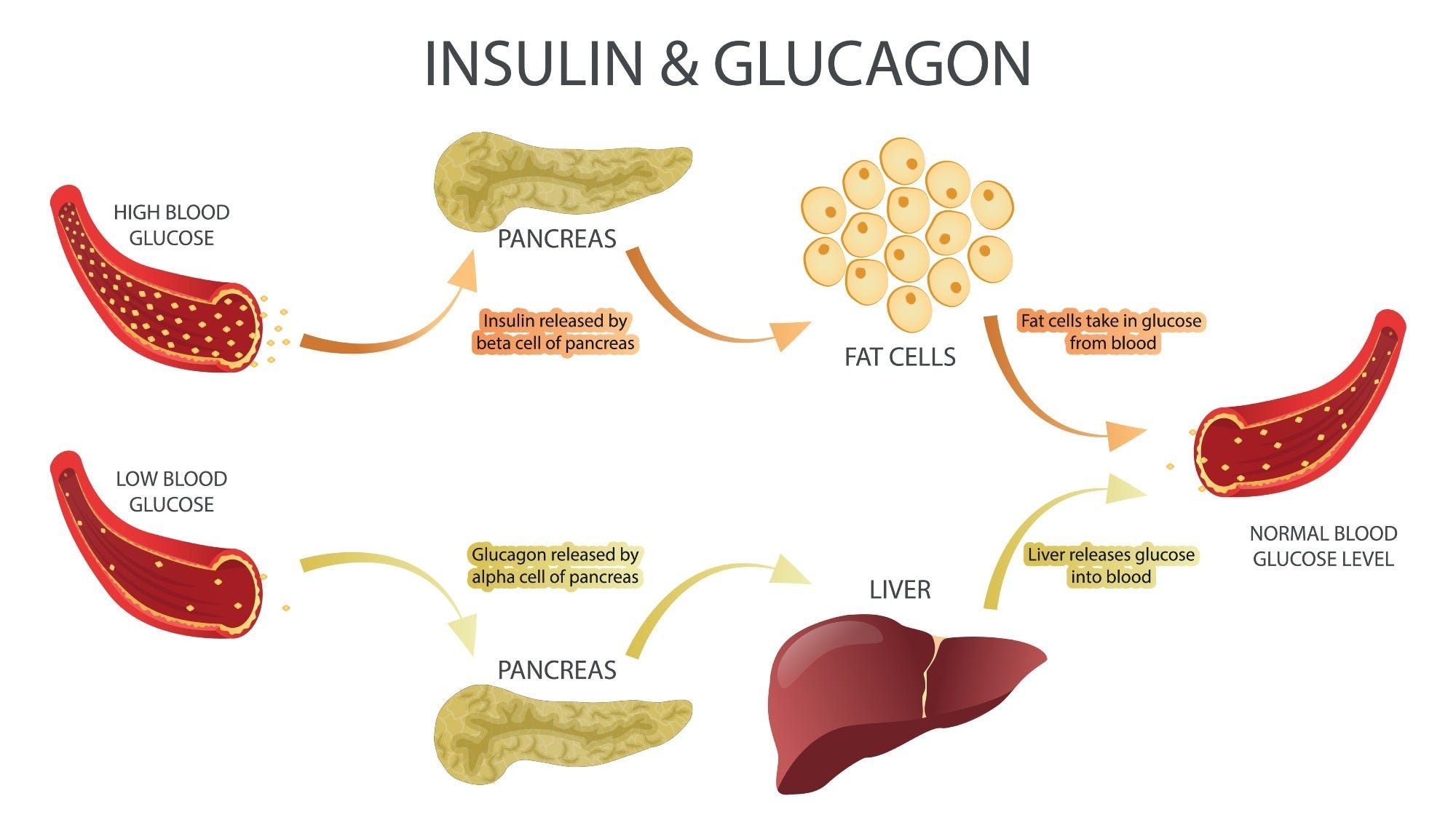
This antagonistic dynamic between glucagon and GIP/GLP-1 can be thought of as a push-pull dynamic: glucagon pushes glucose out to maintain steady blood glucose levels, while GIP/GLP-1 ensures the glucose gets pulled into the organs via insulin secretion.
Insulin Production
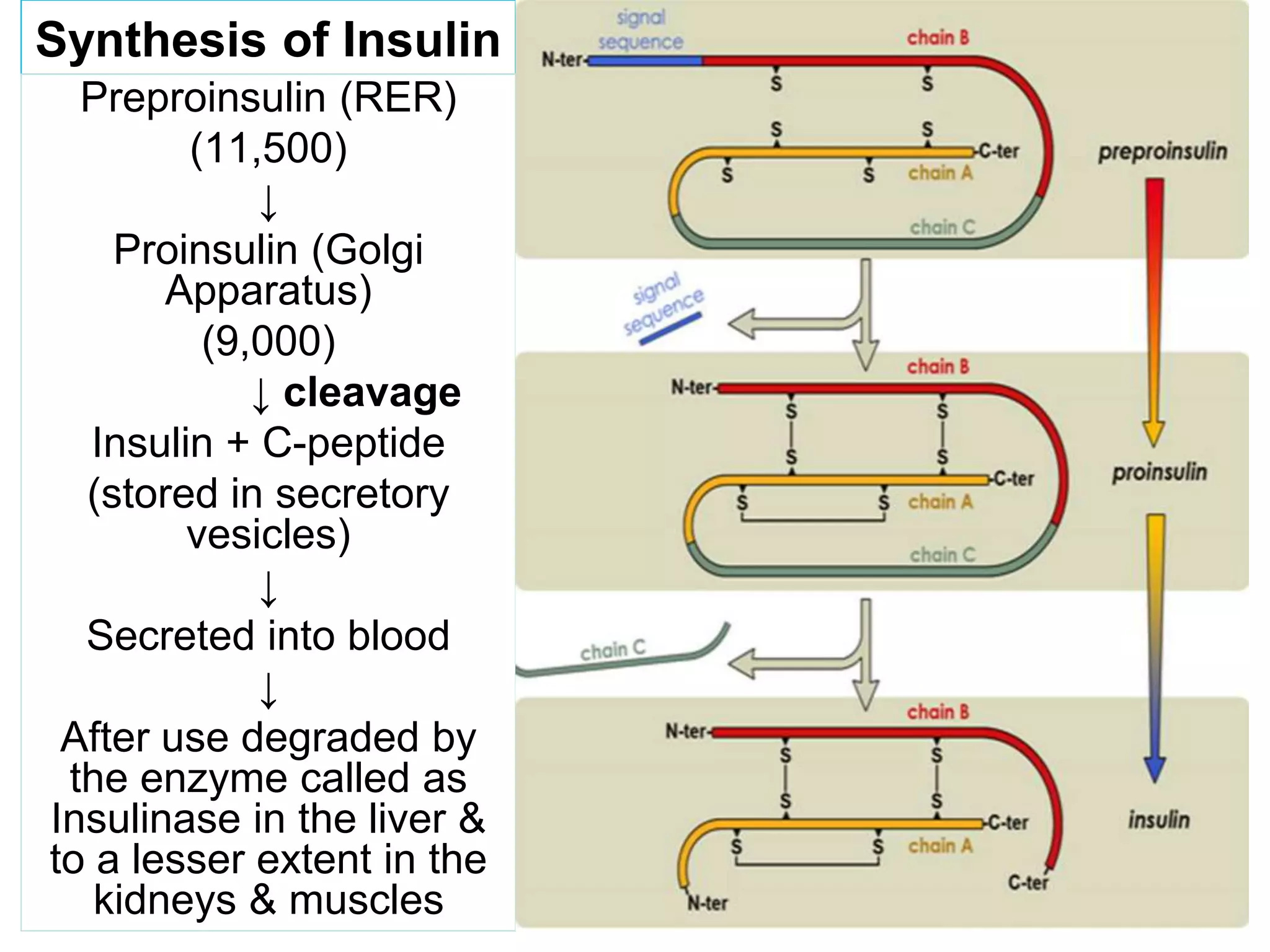
We don’t directly make insulin in our beta cells; instead, we make precursor proteins then modify these proteins (prohormones) and the sequence is as follow:
→ We make preproinsulin.
→ The front of the long amino acid chain is removed from the preproinsulin.
→ The B and A chain are folded and linked together.
→ There is a connecting peptide (C-peptide) that helps link the A and B chain together to make a new molecule called proinsulin.
→ Enzymes will help separate the C-peptide chain from the B and A chain to make the final product, insulin. After insulin is made, it will travel to the liver before circulating in your body.
About half of the insulin that is made will be degraded by the liver before circulating in your peripheral blood stream.
Another ~25% is degraded after a second pass through in the liver.
Because a lot of insulin is degraded in the liver and insulin has a half-life of only 4-6 minutes, insulin is not circulating in your system for very long.
Therefore, you need to keep making it, and release it in a pulsatile manner.
Mechanism of Action
In order for insulin to make an impact, it needs to bind to its receptor on the plasma membrane of target cells, from which it triggers the activation of more mechanisms inside the cell. The highest density of insulin receptors are in the liver (hepatic cells) and adipocytes (fat cells).
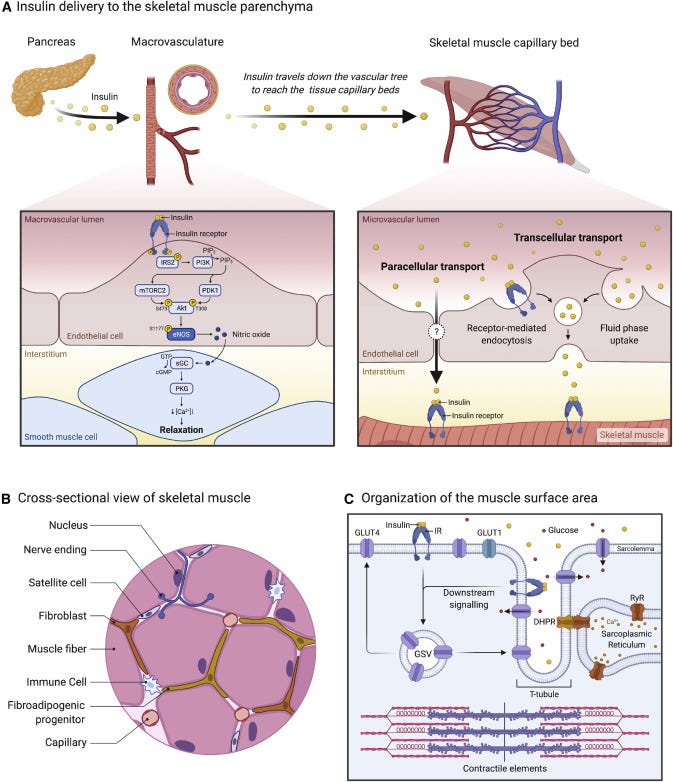
The proteins inside of the cell can signal for glucose transport proteins to travel up to the exterior of the cell to let glucose in as well as stimulate glycogen synthesis in the muscle and liver.
After insulin binds to its receptor, the hormone-receptor complex is internalized into the cell (both the hormone + receptor get taken up into the cell). Internalization creates downregulation of the insulin receptor, meaning there are not as many receptors on the outside of the cell for other insulin units in circulation to bind to after internalization.
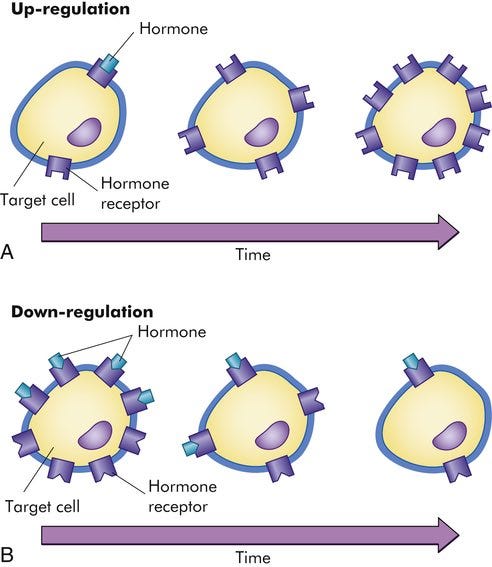
Once inside of the cell, the hormone insulin is then separated from its receptor, and the hormone and the receptor can be processed independently.
The receptor is typically recycled back to the surface of the cell. The insulin is degraded (broken down) by lysosomes within the cell (lysosomes are part of the cell that breaks down proteins inside of the cell).
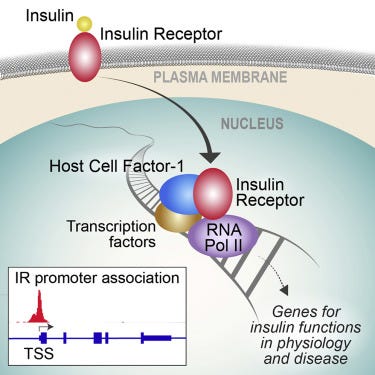
More recently, it has been shown that the insulin receptor can also go to the nucleus and directly regulate transcription (how we express genes).
What is Insulin Sensitivity?
When you consume a meal, your body’s job is to store those nutrients to have an energy source for later use. Insulin enables your body to do its job and store those nutrients, especially glucose.
In general, if you’re good at doing a job (like scoring the basketball), you’re efficient: You don’t need to take a lot of shot attempts to score a lot of points per game.
If you’re insulin sensitive, insulin does its job well and you store nutrients soon after they are absorbed in your blood; so you do not need to release a lot of insulin.
Furthermore, if you store nutrients quickly, your blood sugar quickly returns back to a normal, resting level. Your blood insulin also does not get too high.
Arguably the greatest treatment for insulin resistance and the best thing you can do to improve insulin sensitivity is exercise.
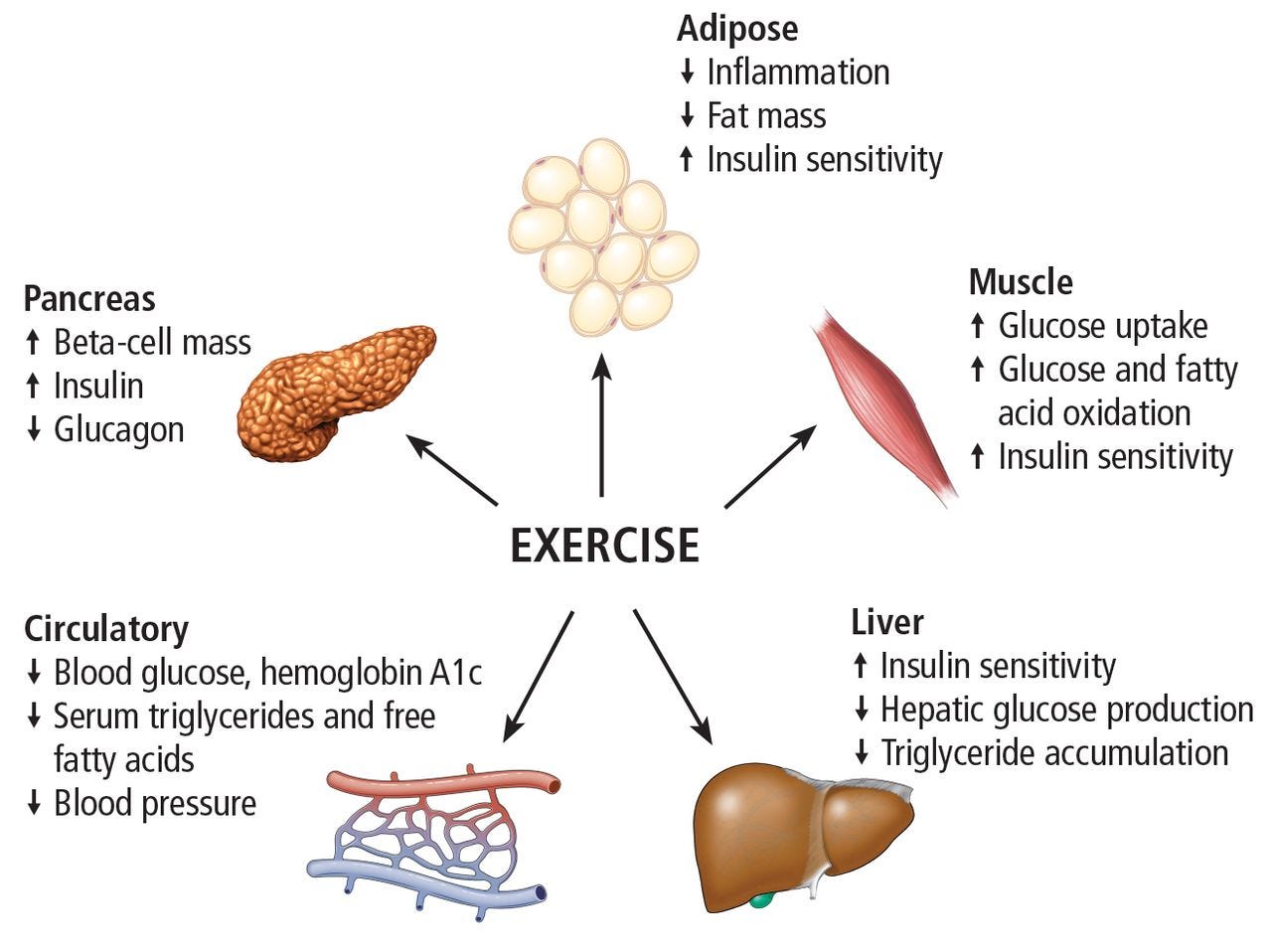
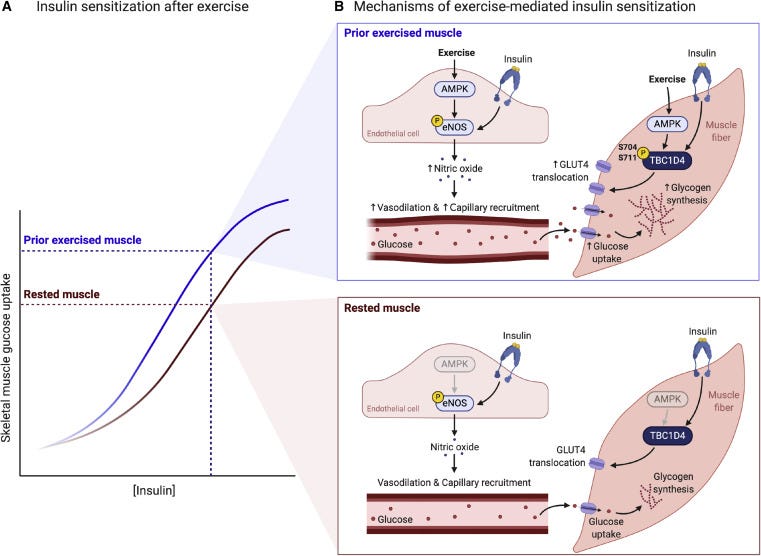
Muscle contractions will help glucose uptake into muscle cells through the same transporter protein insulin signaling affects. Insulin and exercise both stimulate the GLUT4 transporter protein to move from inside of the cell to the edges, and then GLUT4 helps glucose enter the cell. The benefit of exercise for insulin-resistant populations is that it triggers this without needing insulin to bind to the receptors.
What is Insulin Resistance?
Insulin resistance happens when there’s something wrong with your ability to use insulin at the receptor level to lower your blood sugar, leading to elevated (hyperglycemia). Dysfunctional beta-cells (primarily a result of chronic inflammation) also play a role in this.
Sustained hyperglycemia creates downregulation leading to less insulin receptors available (this will make it harder for insulin to bind to target cells and lead to glucose clearance).
There is also impaired functioning in the signaling sequence after insulin binds to the receptors.
![[PDF] Mechanisms of Insulin Action and Insulin Resistance. | Semantic ...](https://substackcdn.com/image/fetch/$s_!DLLy!,f_auto,q_auto:good,fl_progressive:steep/https%3A%2F%2Fsubstack-post-media.s3.amazonaws.com%2Fpublic%2Fimages%2Fbce61d42-8439-4c31-b068-0d3c9326b4a6_884x1520.png "[PDF] Mechanisms of Insulin Action and Insulin Resistance. | Semantic ...")
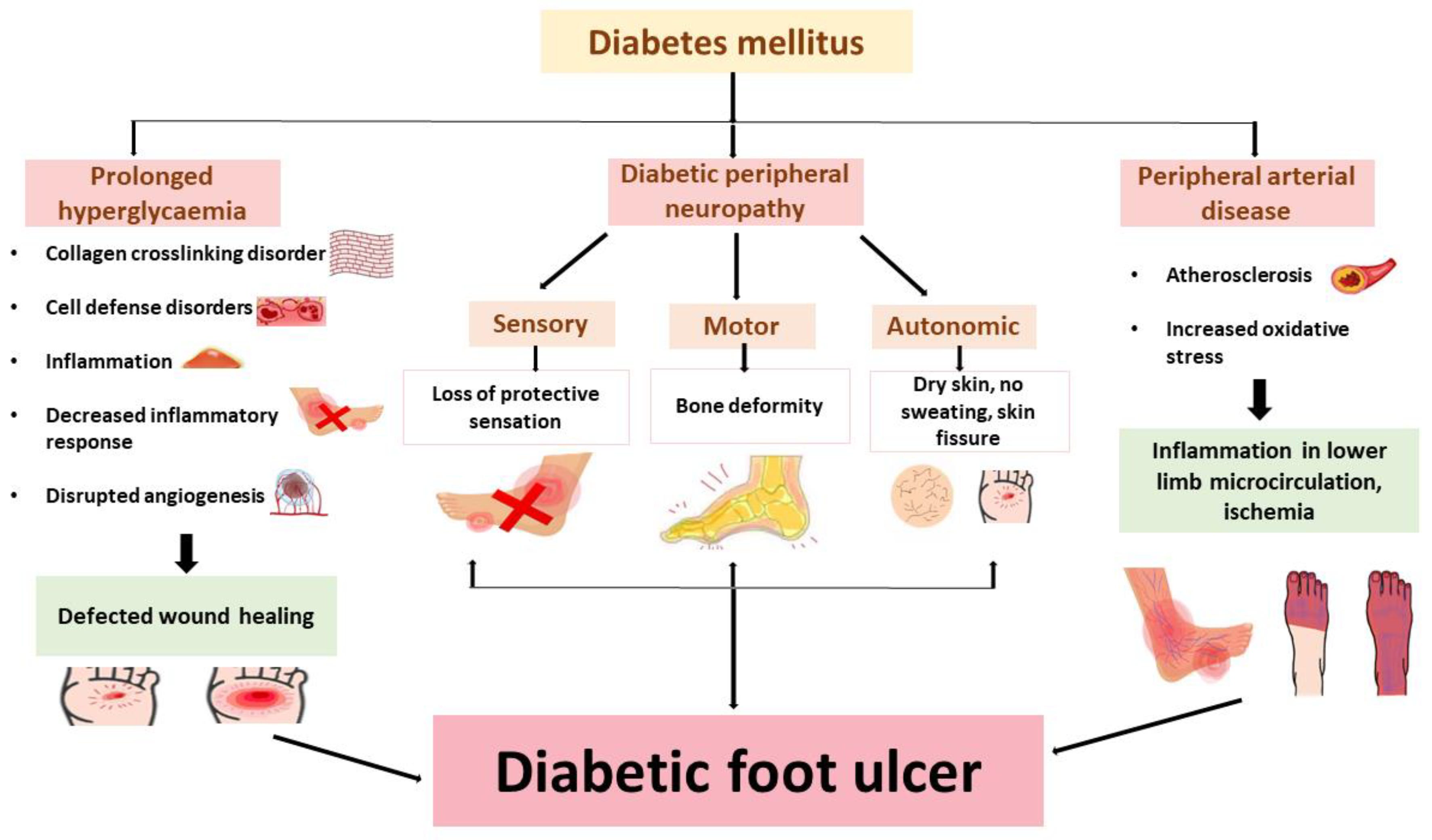
As a result, you’ll release more insulin to keep trying to lower your blood sugar. Chronic hyperglycemia can have severe health consequences as follows:
Another problem that arises with insulin resistance is endothelial dysfunction (stiffer arteries) which has major implications for cardiovascular health.
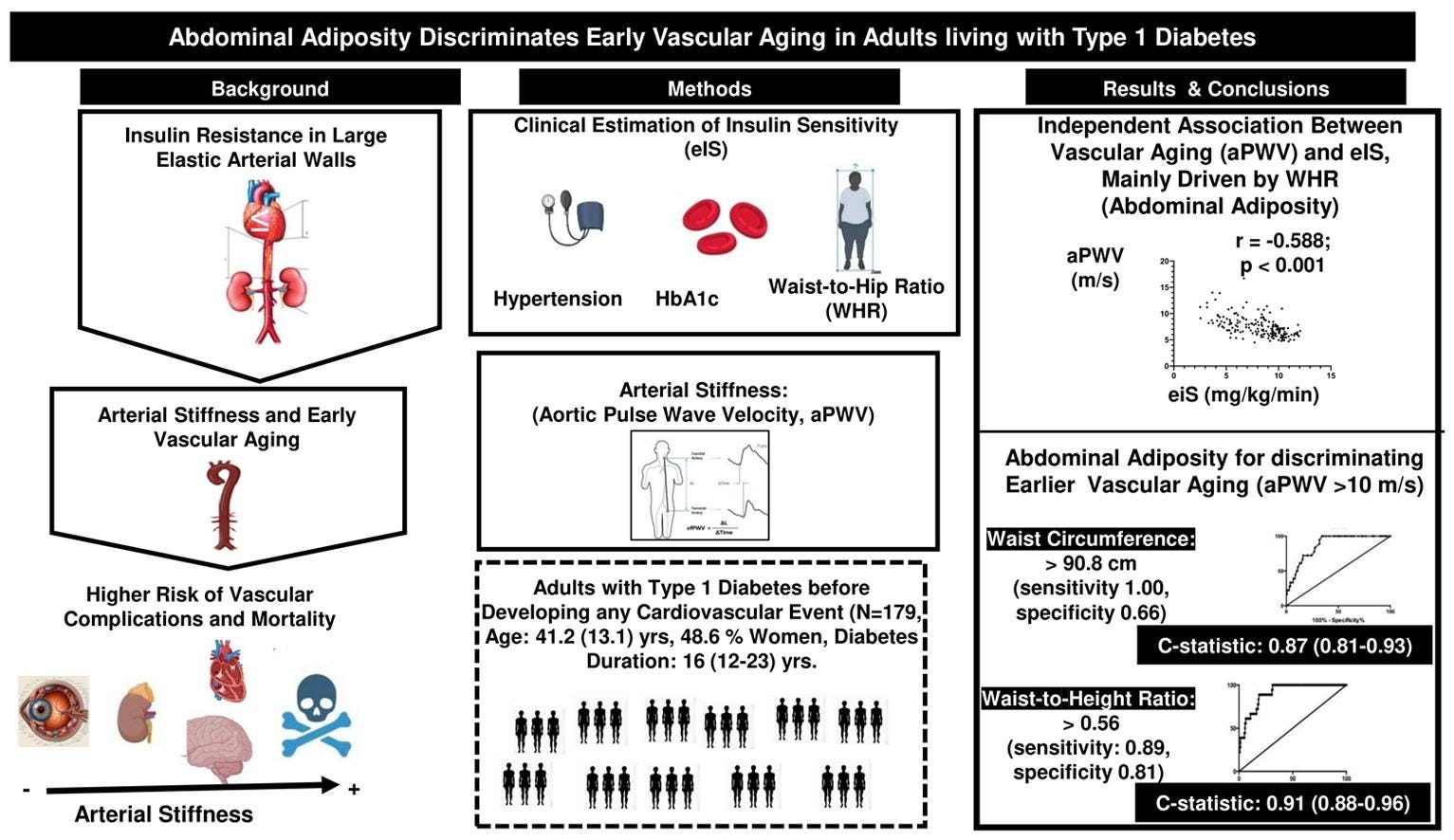
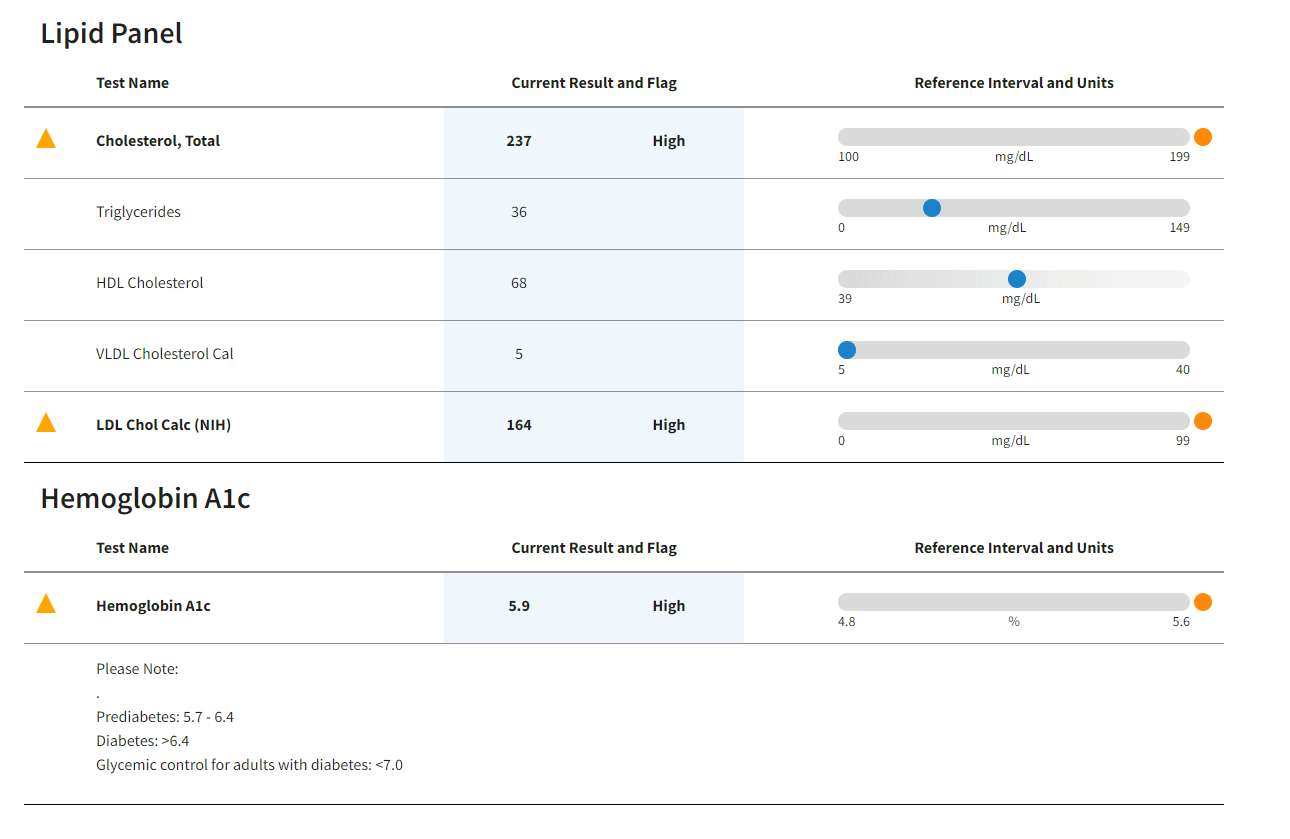
You can see how all of this leads someone to be pre-diabetic, having blood sugar levels higher than usual, but not high enough to be clinically diagnosed as diabetes.
Your bloodwork could look like this (my A1C is 5.0 eating 800g of carbs daily) and this is from someone on a low-carb carnivore diet, ironically:
Type I Diabetes
This is the condition exogenous insulin is used for; it’s an autoimmune disease (your own immune system works against you) that leads to the destruction of pancreatic B-cells making you unable to release sufficient insulin to lower your blood sugar levels.
Sadly, this is a product of really bad genetic luck, unfortunately. But future developments hold some promise.
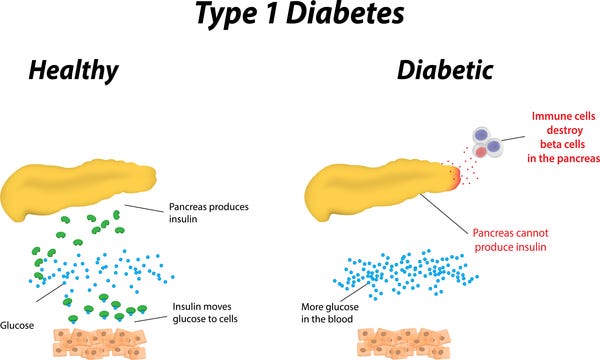
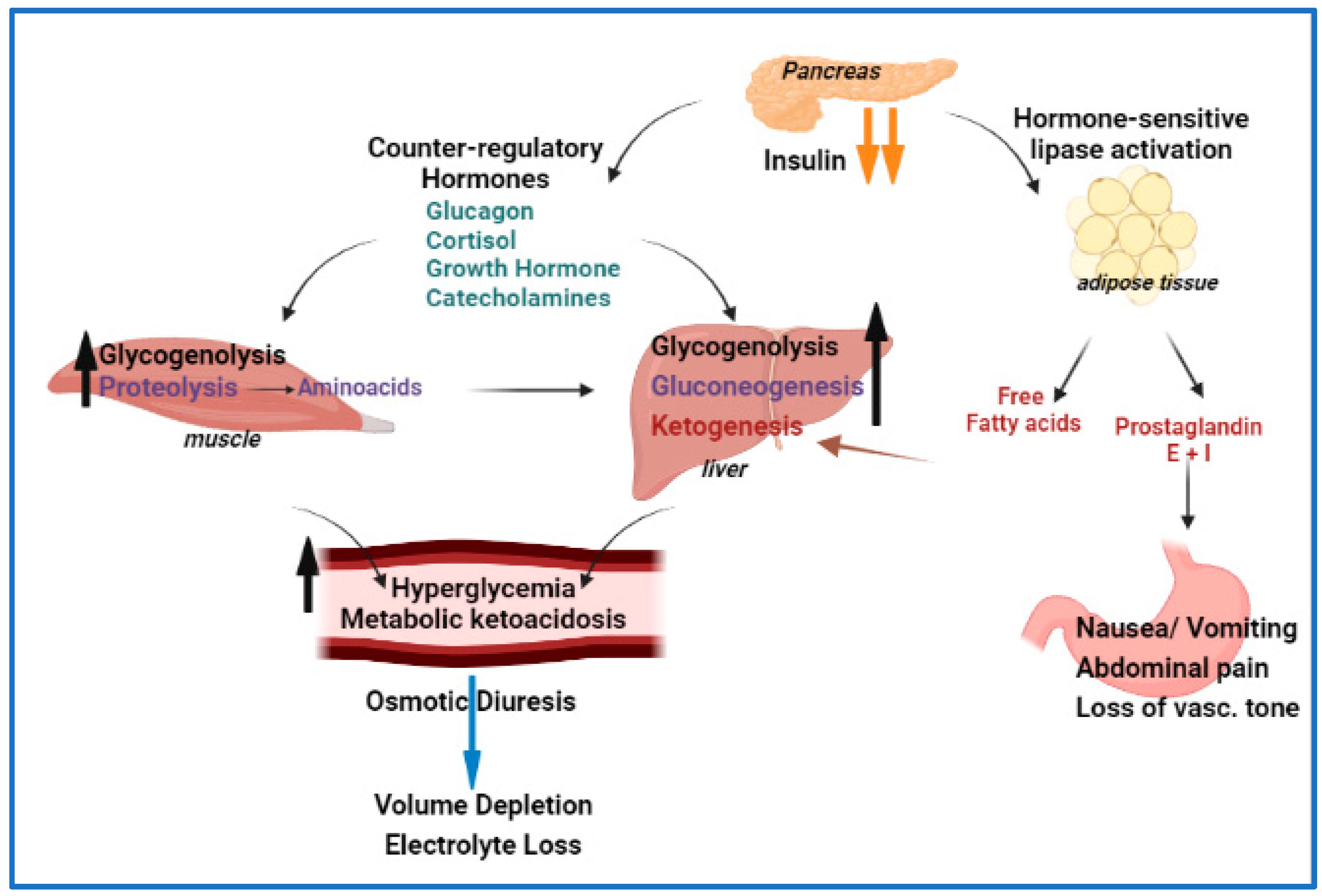
Managing blood sugar is critical therefore injecting the proper amount of insulin is essential for survival.
Too little insulin can result in uncontrolled glucose production (hyperglycemia) in the liver (gluconeogenesis), lipolysis (fat breakdown to get molecules that can make the glucose), proteolysis (protein breakdown to get molecules that can make glucose), ketogenesis, and death.
Too much insulin can result in hypoglycemia, brain damage, and death.
Type II Diabetes
This is the diabetes people are thinking of when they see me eating all the Asian candy before lifts.
Type II Diabetes involves progressive loss of insulin secretion from pancreatic beta-cell dysfunction which results in high blood sugar levels.
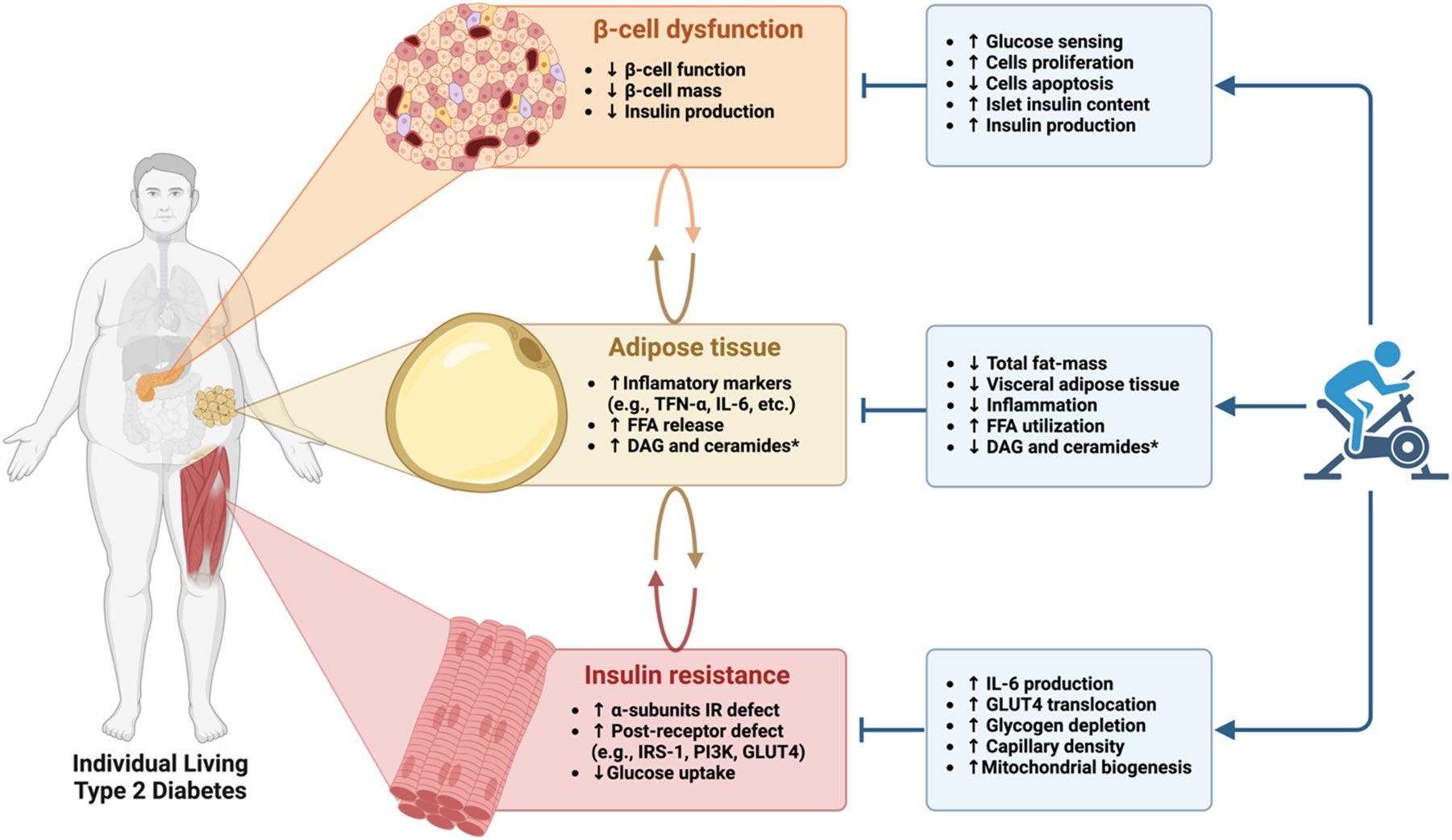
This all generally starts and reverses with one primary lever: chronic excess food intake.
Excess calories → liver fat buildup (via muscle insulin resistance & post-meal fat-production).
Insulin ramps up liver fat-production → cycle spins faster because of inflammation.
Liver exports excess fats to pancreas (when body fat’s full) → beta cells dysfunction → weak insulin response to meals.
Post-meal sugar spikes → prolonged high insulin → even more fat-making.
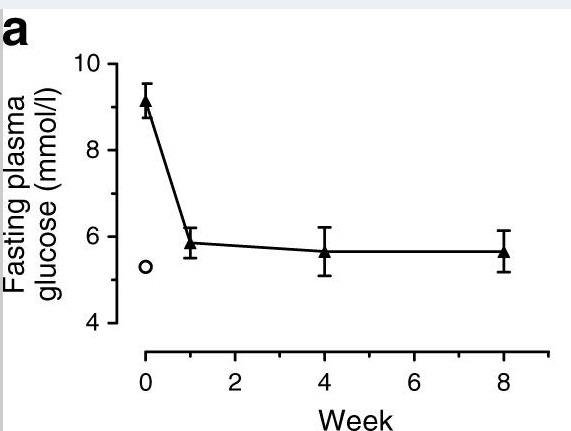
Unfat yourself, and the cycle unwinds:
Just one week of a 600 calorie/day diet completely normalized blood glucose in type 2 diabetics.
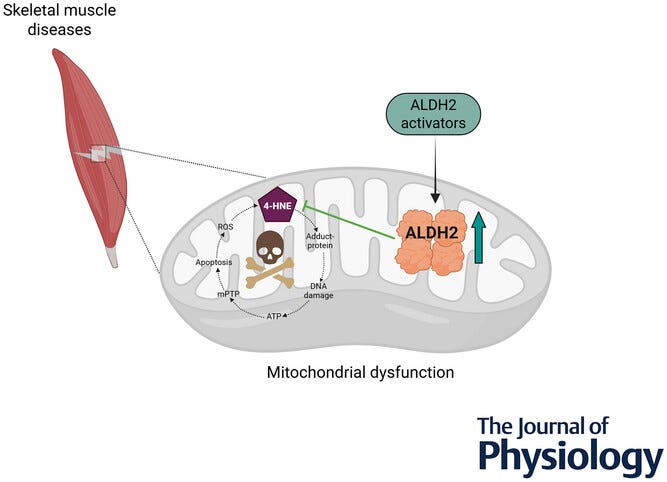
How your muscles process nutrients may be just as much of the root cause behind Type II Diabetes.
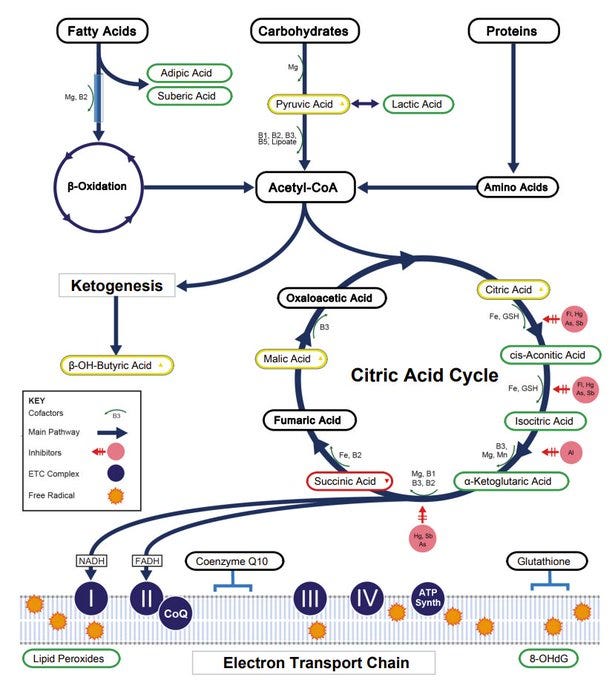
In normal conditions, glucose in muscle should be fully oxidized to pyruvate and reduced to lactate for oxidative phosphorylation in mitochondria.
With metabolic disease, what we are dealing with is an excess of fuel sources (glucose, free fatty acids, and triglycerides), but not enough machinery to burn them.
When muscle has poor mitochondrial function, glucose metabolism falters and this sets the stage for Type II Diabetes.
With the background information on how insulin works laid out, you can now see why it’s so important to leverage it to perfection if your goal is to transform your physique as fast as possible.
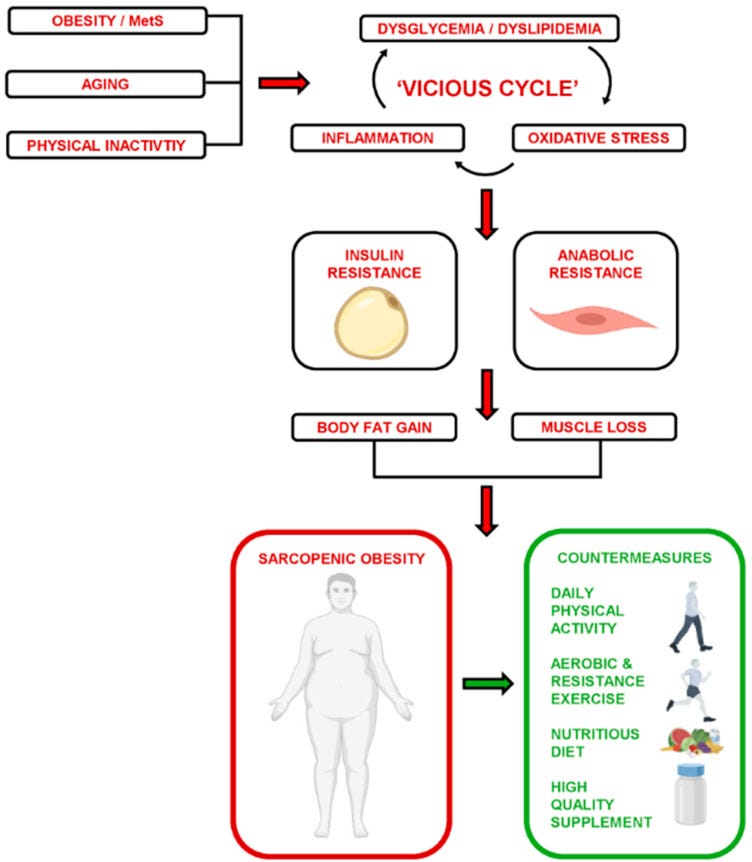
Specifically, it’d be ideal to get lean and metabolically healthy before embarking on a long muscle-building phase. We have much better insulin sensitivity and thus a greater ability to shuttle nutrients into muscle to fuel growth signaling processes rather than being directed into fat cells.
Insulin’s Role in Building Muscle
Insulin is regarded as a powerful anabolic hormone; while it does facilitate gains, the effects are not as powerful as you’d think. But that still doesn’t discount it’s effectiveness as a Battle Chip in your arsenal because for the price, it can seriously be of use when implemented properly in a bulking cycle.
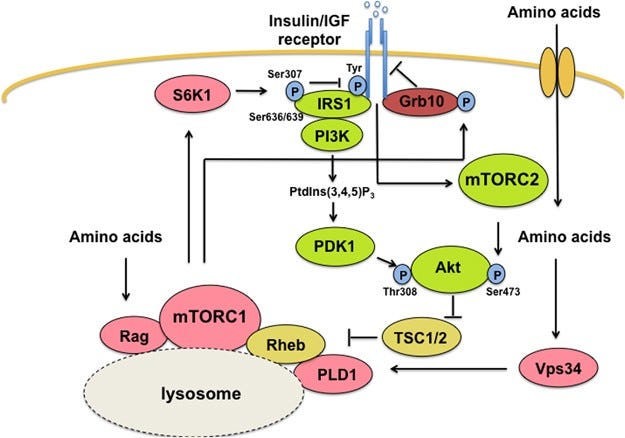
There are numerous experiments demonstrating insulin directly stimulates protein synthesis but these are in vitro meaning experiments conducted outside of a living organism.
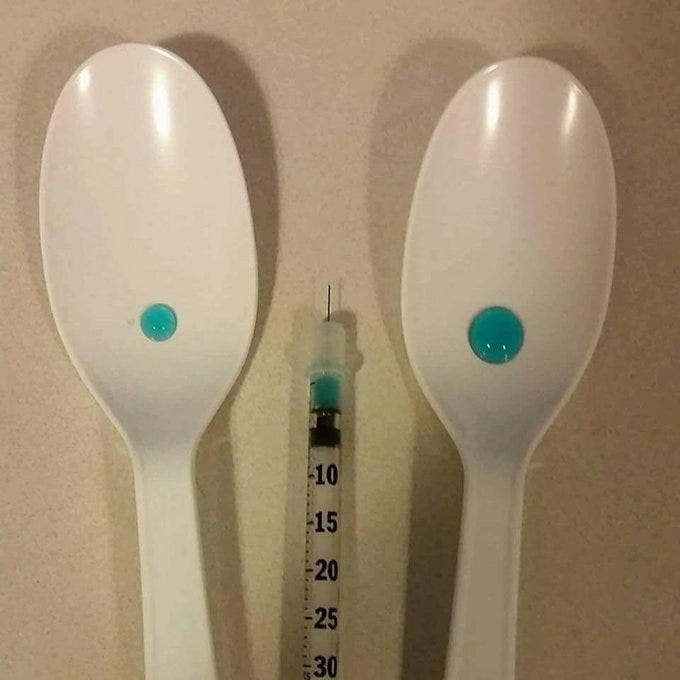
How cells behave in a petri dish can be much different than how they behave within the framework of your entire physiology; you must remember that injecting supraphysiological amounts of insulin could KILL YOU because of hypoglycemia. And we’re talking this much of a difference:
Naturally occurring insulin levels can help you grow muscle, but it’s more of a helper that facilitates the shuttling of nutrients into muscle cells rather than a hormone that directly changes the signaling in your muscles and tells you to grow (this is was anabolic steroids are for).
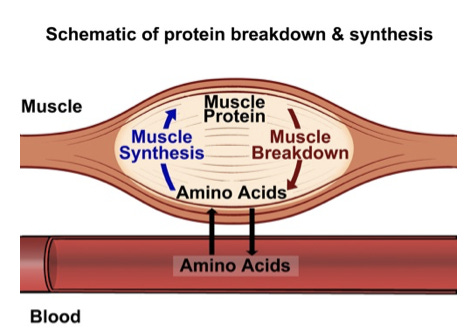
Additionally, insulin reduces muscle protein breakdown and increase net protein balance; our goal is to build more than we breakdown so we add muscle over time (positive protein balance). Limiting breakdown can help us achieve a greater positive protein balance and avoid a deeper negative protein balance when amino acids are scarce. For these reasons, consuming several meals a day is a non-negotiable if your goal is to pack muscle faster.
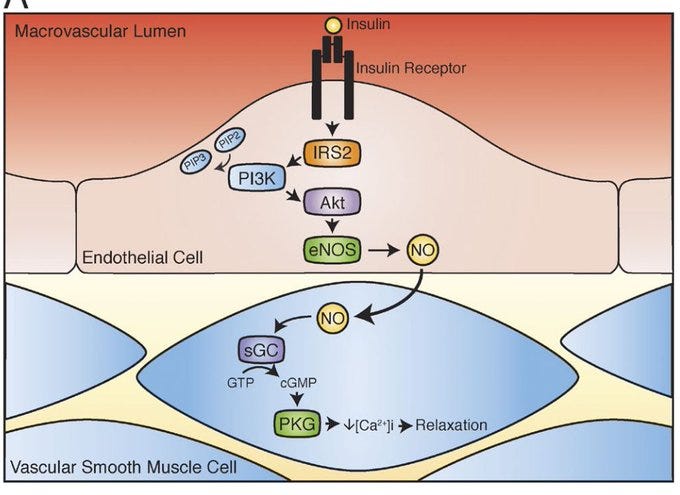
Insulin also can permit more growth because the delivery of nutrients can be increased with the enhanced blood flow that insulin directly initiates:
→ Insulin binds to its receptor on an endothelial cell (cell of the blood vessels).
→ The cell will be signaled to increase the activity of endothelial nitric oxide synthase. (eNOS).
→ eNOS will help convert L-arginine and oxygen to L-citrulline and nitric oxide.
→ Nitric oxide is a vasodilator → Better gym pumps!
Speaking of vasodilation, insulin helps potassium (K*) enter cells. Potassium is the main electrolyte found inside of cells and enables glycogen storage and water retention (one of insulin’s key functions), which is why your muscles will look fuller when eating plenty of carbs.
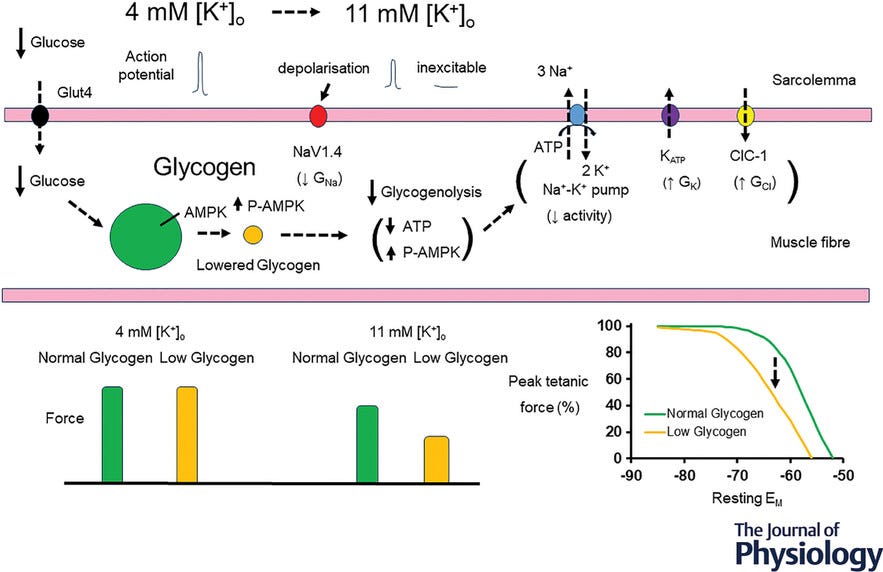
This is why it’s a good idea to invest in an intra-workout product if you’re looking to make the most of your sessions, especially if they last more than an hour.
Intra-workout supplementation was one of the biggest things I was wrong about for a long time. I thought it wouldn’t make a huge difference from a direct muscle growth standpoint mechanistically, and that if I nailed my pre-workout nutrition (carbs and supplements), I’d have enough in my system for the best workouts possible.
It’s not so much that the intra-workout itself directly increases protein synthesis to a meaningful degree, it’s more so about the massive uptick in training quality throughout the entire workout and the improved growth signaling as a result of that.
You have more energy and hydration to lift heavier weights when you’re fatigued, and the pumps can last longer, which allows you to do better quality work; that’s the growth signaling we’re going for. Additionally, the amino acids themselves present in well-formulated products also help you feel less fatigued during and after the workout.
This is what sold me on them again when I tried good formulations. This could be explained by the role those amino acids play in regulating brain chemistry.
Insulin’s Role in Fat Loss
Because of insulin’s ability to promote nutrient storage in adipose tissue and the fact that carbs increase insulin levels, it has historically been framed as the ultimate culprit behind the ever so high populace of high-calorie humans.
Look at how the leanest bodybuilders out there eat; for that observational reason alone, insulin and carbs are not the causative factors behind fatness.
Insulin mechanistically makes it harder to breakdown and burn fat, and fatness is ultimately governed by caloric intake. Eat in a caloric surplus, and you create the conditions for fattening.
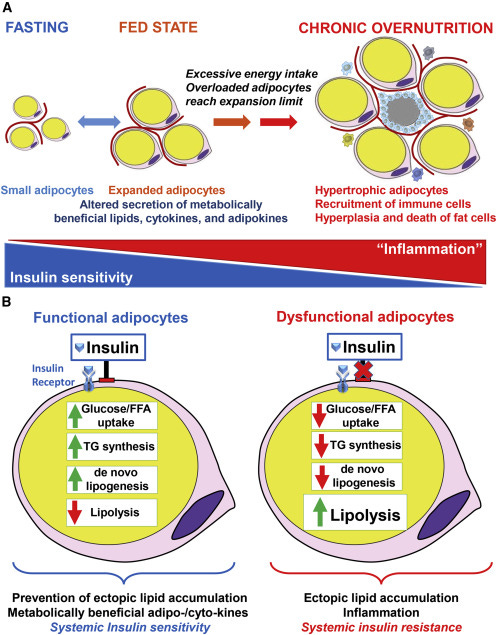
Recall that with insulin resistance and obesity, you will see higher fasting insulin levels in the blood in comparison to someone who is lean and has strong insulin sensitivity; you give both of these populations the same meal (let’s say a nice order of dim sum) and the effects that the meal will have on them will be vastly different.
That being said, our fat loss strategy for someone starting out with a higher body fat percentage has to fixate on addressing insulin sensitivity. Using fast-digesting intra-workout carbs is absolutely not a viable strategy.
On the contrary, someone who is not only metabolically healthy, but also has experience bulking and cutting, can leverage fast-digesting carbs and potentially even exogenous insulin as tactical weapons to achieve their goals more rapidly.
Congratulations, You’ve Gained +1000 EXP in Body Transformation Physiology

There should be an ETF to track your metabolic health and gamify that feeling of improving your metabolic health the same way investing on say Robinhood does. It would include:
Fasting blood glucose
Fasting insulin
HA1C
TSH
Free T3
Reverse T3
Fasting leptin
Total cholesterol
Triglycerides
LDL-c
ApoB
Lp(a)
Calcium artery calcium score
VO2max
Resting metabolic rate
Respiratory exchange ratio
Resting heart rate
Blood pressure
Shoulders-to-torso ratio
Waist-to-hip ratio
Visceral fat
25-OH-D levels
NAD+/NADH ratio
Type II/Type I muscle fiber ratio
Sleep regularity index
Mile time
Time to complete 20 calories on Assault Bike
Time to complete 1000M on the Rower
And have it be actively managed by those in the top 5% of the “metabolically presentable” (few).
Because if you take these things seriously, the lessened inflammation has serious implications for your livelihood beyond the aesthetic improvements. For instance, when one notable inflammatory biomarker (influenced greatly by diet and lifestyle) remains chronically elevated, stronger spiritual struggles were observed.
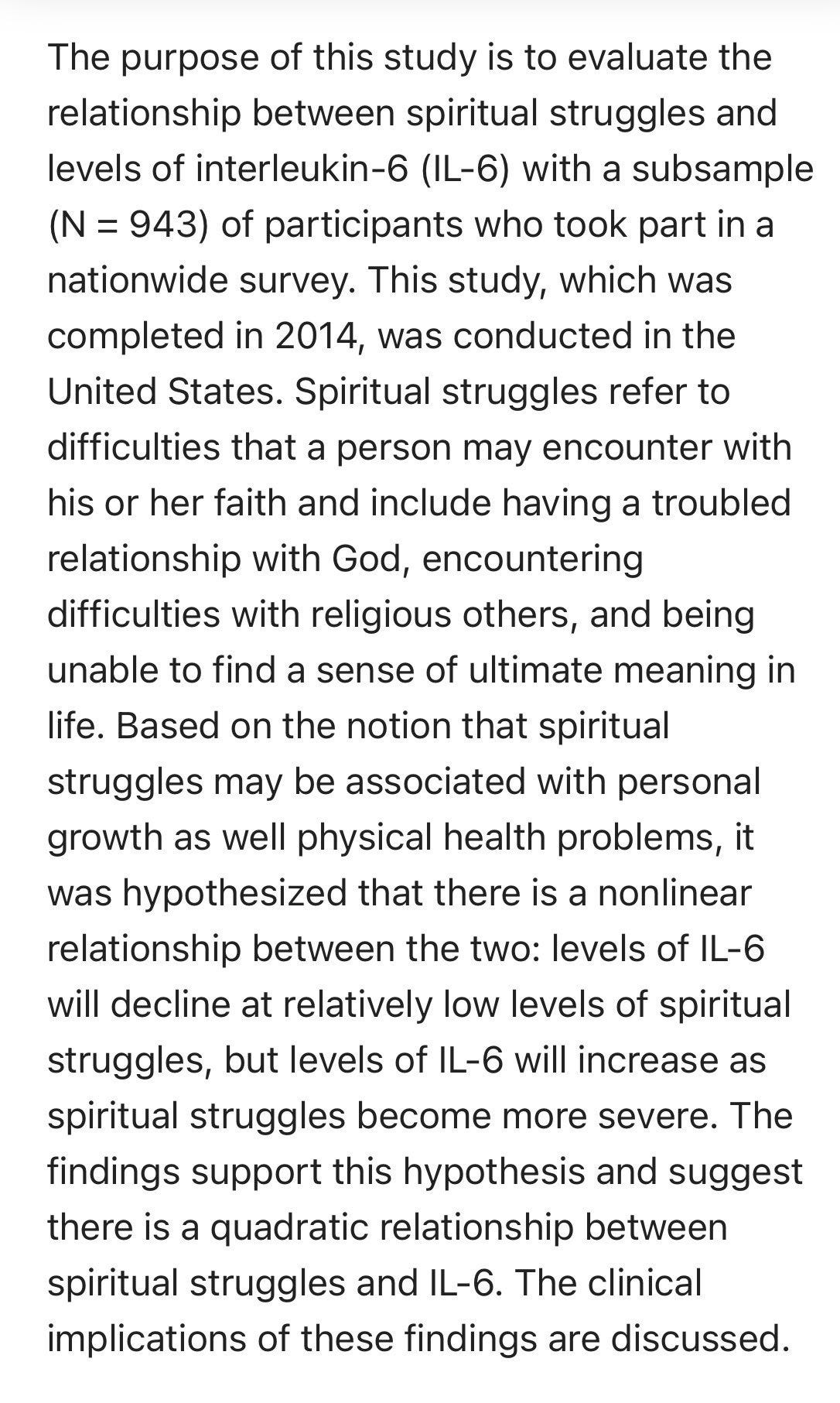
In other words, there no healthy spirituality can be permitted with no healthy biology.
Having recently reclaimed my health after letting it slip away on top of all the years I struggled with body image, you feel an unmistakable, renewed sense of energy and purpose that permeates through you.
You achieve not only mastery of skill, but also mastery of self.
Because if transforming your physique were purely tactical, no one would struggle with everything that is available to you. Everyone gets in their own way and that is why this whole journey is a psychological one.
So when you do achieve your highest form, that gravity it carries is so strong because it carries the weight of all your previous struggles.
And if there were a few topics that you should attain self-mastery in to make this journey all the more achievable in a shorter timeframe, they would revolve around nutrition and metabolism.
With this, you have the foundational framework knowledge for the next articles I have in the pipeline to help you formulate your own personal metabolic warfare strategies against fatness.
Until next time,
Wong
Brilliant. It's incredibly illuminating how our system works to shuttle nutrients, though I sometimes question if our current environment of constant food availability truly allows for the optimal pulsing and regulaton described.